

Drainage plan sketch - ai picture
These Houston drainage guides answer the questions homeowners ask most about yard drainage and the French drain (a trench filled with gravel, with a pipe at the bottom). Each one is written for Houston's flat yards and heavy clay soil, which swells when it is wet and cracks when it is dry. The guides explain how a French drain works, the signs that it is failing and how it compares with a dry well or a swale, and more guides are added as they are written. Facts come from official sources where they exist, such as the National Weather Service and the City of Houston. The newest articles are at the top of the list.
-

How Does a French Drain Work in Houston Clay?
Read More: How Does a French Drain Work in Houston Clay?How does a French drain work in Houston clay? How water gets from tight, cracking soil into the pipe, how much it carries and where it goes.
-
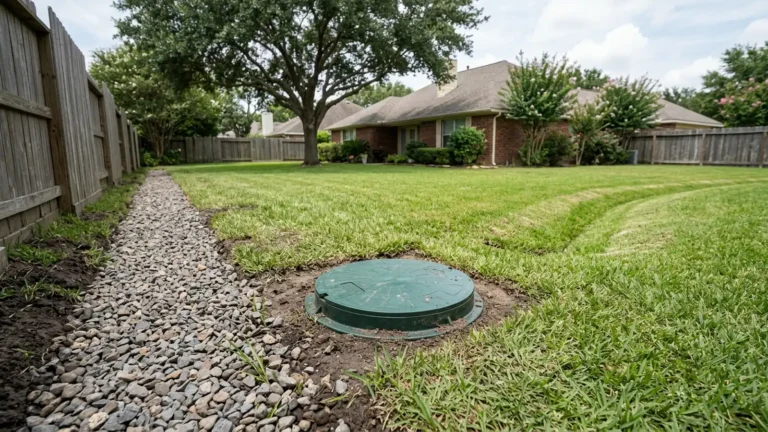
French Drain vs Dry Well vs Swale: Which One for a Houston Yard?
Read More: French Drain vs Dry Well vs Swale: Which One for a Houston Yard?French drain vs dry well vs swale for a flat Houston clay lot: what each one does, what it costs, and the simple tests that tell you which your yard needs.
-
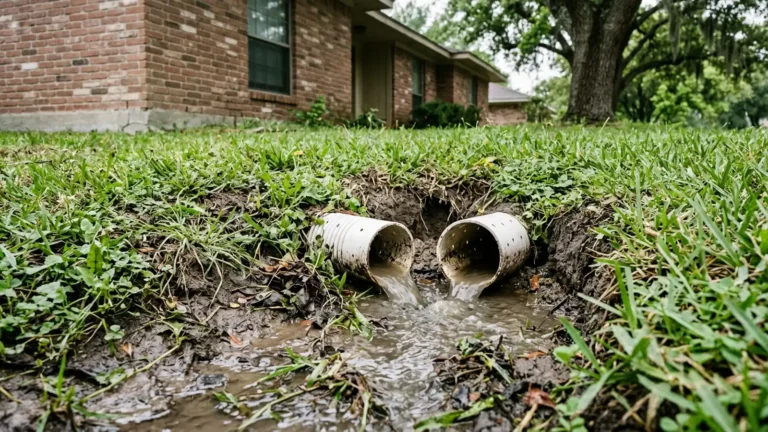
Signs Your French Drain Is Clogged or Failing (and What Each One Means)
Read More: Signs Your French Drain Is Clogged or Failing (and What Each One Means)Signs your French drain is clogged or failing, what each sign points to, a simple hose test, and when a repair beats a new drain in Houston clay.
Disclaimer: The information on this page is for general information only. It should not be taken or relied on as engineering, construction, legal, financial or other advice. It is based on information that was publicly available at the time of writing, and it may have changed since. It may be inaccurate or incomplete. Always consult a professional. You use this information at your own responsibility and risk, and we take no responsibility for it.
Some content may be written with AI and then reviewed by a person.